
ServiceNow Developers
Applications, SAP integrations and automation on the Now Platform, built upgrade-safe in dedicated application scopes.
ServiceNow updates twice a year.
The challenge: the standard stops before your special case
ServiceNow covers the common case. What is left over are the places where your organisation works differently from the average.
Those places are rarely exotic. It is the approval route a certification prescribes, the legacy system that has to keep running for another five years, or the department whose requests have no matching record type in the standard. Bend cases like that into the standard and you pay for it two releases later.
A process no application knows
Data from a system with no connector
A form three departments fill in
Manual work that returns every week
Who builds this
Cross ALM is a ServiceNow Select Build Partner and publishes SAP integrations in the ServiceNow Store. What we build for you comes from the same team that built the certified application.
A Store application passes ServiceNow review before it appears. We hold your application to the same rules even when it never goes near the Store: its own scope, a clean separation from the standard, dependencies written down.
Applications
Custom applications on the Now Platform, where the standard leaves a gap, in their own scope rather than in the standard.
Integrations
Connections to SAP and to the systems that stay, in both directions and with no middleware in between.
Automation
Take repeated steps off the team without anyone learning a new interface. The process stays; the work of running it goes away.
How it works: what gets settled before the first line
Which data flows in which direction, and which system is the source of truth. Leave that open and you get an application that maintains two versions of the truth, and nobody notices until the two diverge.
So a development project with us starts with a survey rather than a quote for consultant days. Sometimes it ends with us building nothing, because a Cross Connector already covers the case. How far service requests can be simplified without custom development is described in Simplification of Service Requests in ITSM.
- What should the platform do that it cannot do today
- Which system is the source of truth for which record
- Which approvals the process has to evidence, and to whom
- What the ServiceNow standard already covers
- Which systems stay and which disappear over the next few years
- Which interface the other side officially offers
- What needs checking at the next platform release
- Who operates the application after handover
Upgrade-safe means readable
We build in our own application scopes rather than in the standard, and we write down what each adaptation relies on. Before the next release you read what needs checking.
ServiceNow refreshes the platform twice a year. Without that record, each refresh turns into a search party in which your team reconstructs its own past. With it, the refresh becomes a list somebody works through in a morning.
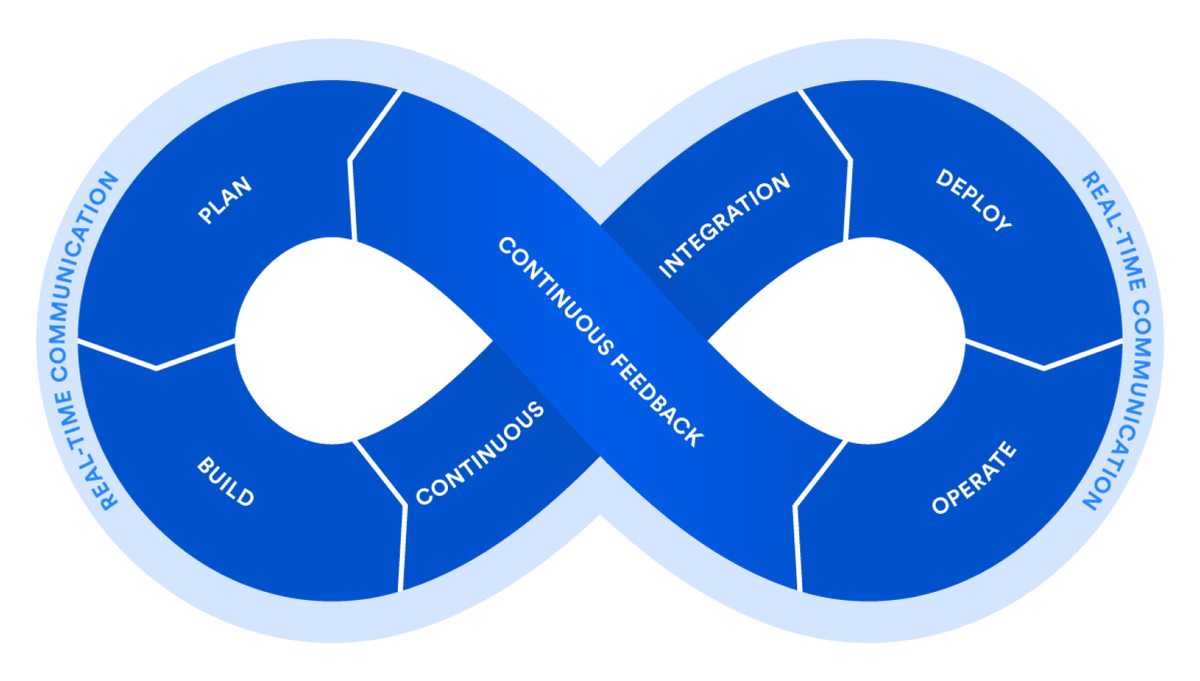
Where an adaptation sits in the cycle
Built where the change originates. Checked on the next pass, not at the next incident.
Cross ALM as a development partner
Cross ALM is an IT and process consultancy based in Berlin, grown out of a team of former SAP employees and SAP specialists. We are a ServiceNow Select Build Partner, a certified partner of SAP and Atlassian, and a registered SAP Application Development Partner.
Our consultants are ITIL certified, which is unusual for a development outfit and the reason we do not hand the question about the process back to your business unit.
Product experience
We run our own applications in the ServiceNow Store and on the Atlassian Marketplace, over years and across platform releases.
Process knowledge
ITIL certified consultants who record the process behind the requirement before anyone creates a table.
Handover, not lock-in
Readable dependencies, training and a handover to named people. Whoever maintains the application in three years does not need a call with us.
Starting in three steps
The first two steps cost little and establish whether the third is needed at all.
Record the case
What should the platform do, which system leads, and does the standard perhaps cover it already.
Design and boundaries
Its own application scope, the other side's supported interfaces, dependencies written down, before anyone builds.
Build and hand over
Development, testing, training and the handover to your operations team, with names rather than roles.
From customer projects
What we have built outside the standard is written up in our project reports: Flexible Cross Connector Jira/SolMan interface solution with LAPP covers a link that did not exist as a product, and ITSM with Jira Cloud describes how far the standard carries before custom development starts.
You are currently viewing a placeholder content from HubSpot. To access the actual content, click the button below. Please note that doing so will share data with third-party providers.
More InformationCustomers who trust us
Where we start
- What should the platform do that it cannot do today
- Which data flows where, and which side is the source of truth
- What the standard already covers
- Whether a Cross Connector already covers it